The short answer
Give each paycheck a practical job by matching the money arriving with the expenses due before your next payday.
General educational guide. Sources checked September 10, 2026. Examples are illustrative; amounts should be adjusted to your household. Read our disclosure.
A biweekly budget gives each paycheck a plan for the days it needs to cover. Start with the next payday, list the expenses arriving before the following one, and reserve money for later bills that this check must help fund. The useful question is simple: what does this money need to do before more arrives?
This worksheet is an educational planning method. The numbers below are hypothetical, and the amounts that fit your household may look very different.
Download the printable biweekly budget PDF to put each paycheck’s assignments and payment dates on paper. Each page covers one paycheck; carry forward only money still available for the recorded purpose. This is a manual worksheet for handwriting, with no automatic calculations. Print on US Letter paper in the orientation shown on the file.
Put actual paydays on the page
Write down the dates and expected take-home amounts from your payroll schedule. Being paid every two weeks differs from being paid twice a month: the dates move through the calendar. Check your own schedule instead of assuming every month contains the same number of checks.
Create one section per payday. Include money already available only when it is truly unassigned. An account balance can contain rent money you reserved last week; counting it again makes a plan appear more generous than it is.
For the bigger monthly picture, Consumer.gov’s budgeting guidance explains how a written plan compares income with expenses. Your payday worksheet adds the timing detail to that view.
Use five lines for each paycheck
Copy this short structure into a notebook or spreadsheet:
- Available to assign: this paycheck plus genuinely unassigned carryover.
- Bills due: payments that must come from this check.
- Everyday spending: food, transportation, and other planned purchases until payday.
- Later commitments: money reserved for a coming bill or savings goal.
- Unassigned remainder: what remains after the four lines above.
Keep later commitments labeled by purpose. A single unnamed savings number can hide the fact that several goals are competing for the same dollars. Our sinking-fund categories guide shows how to separate planned future expenses.
Check the monthly category list for costs missing from your assignments; if the paycheck amount also varies, the irregular-income guide helps build plans for lower and higher income periods.
Walk through one hypothetical paycheck
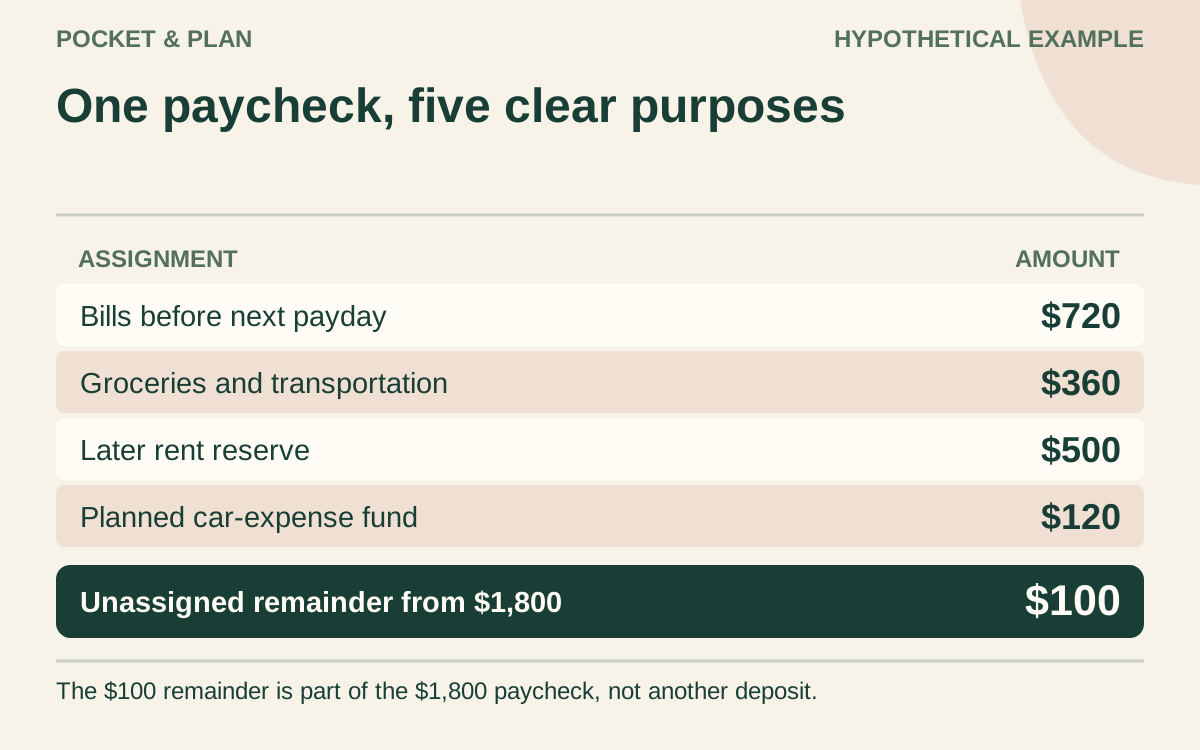
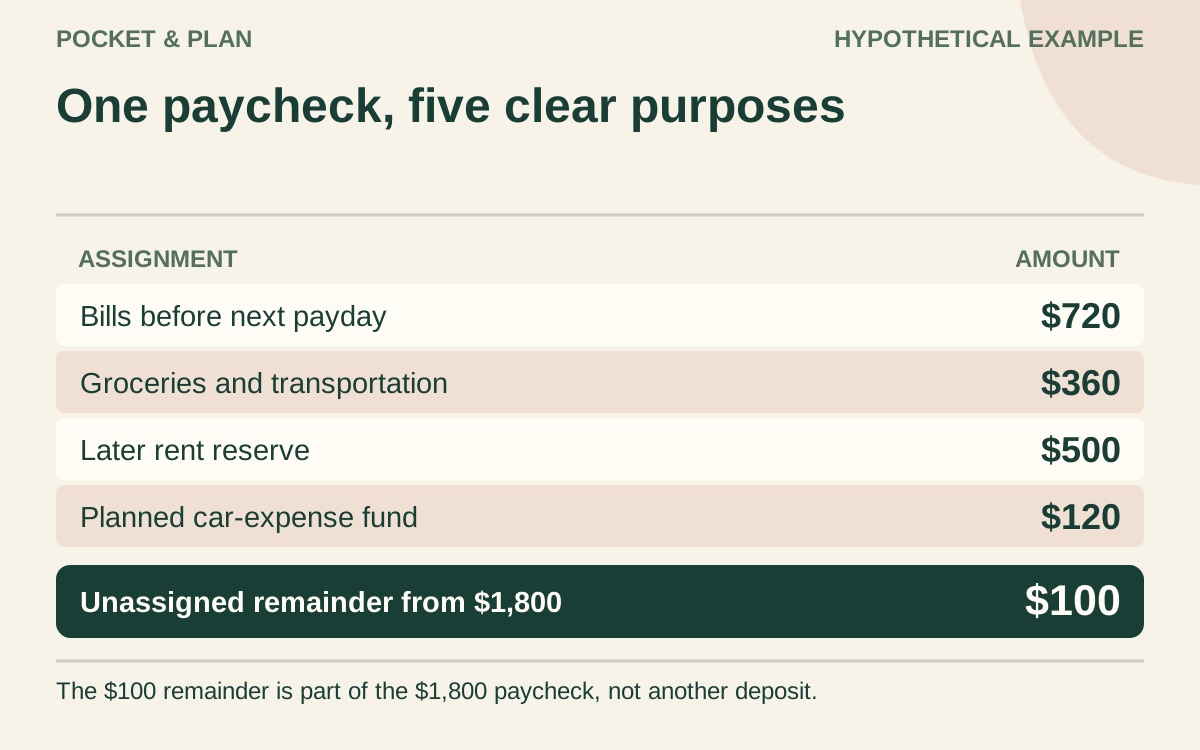
Imagine Jordan receives $1,800 and has no unassigned carryover. The next paycheck is 14 days away. Jordan creates this plan:
| Assignment | Amount |
|---|---|
| Bills due before payday | $720 |
| Groceries and transportation | $360 |
| Reserve for next month’s rent | $500 |
| Planned car-expense fund | $120 |
| Available buffer | $100 |
| Total | $1,800 |
The $100 is the remainder: $1,800 minus $720, $360, $500, and $120. It is not a separate deposit. Jordan leaves it uncommitted because everyday expenses may vary.
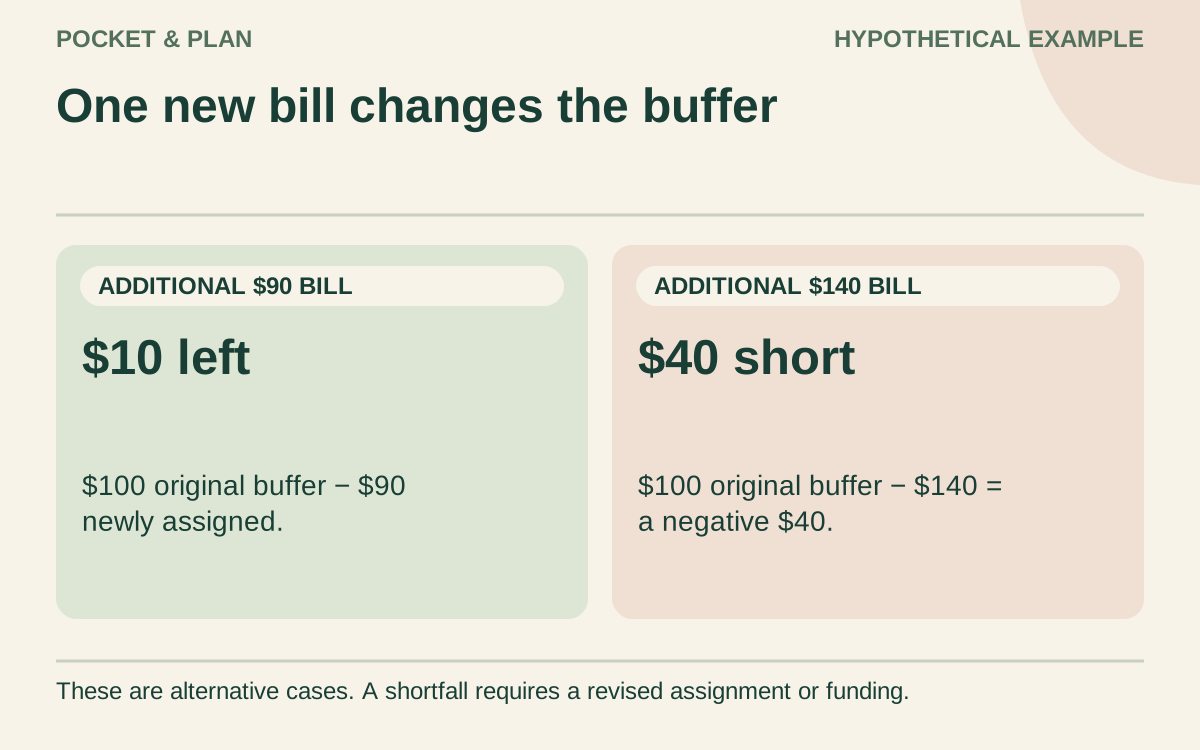
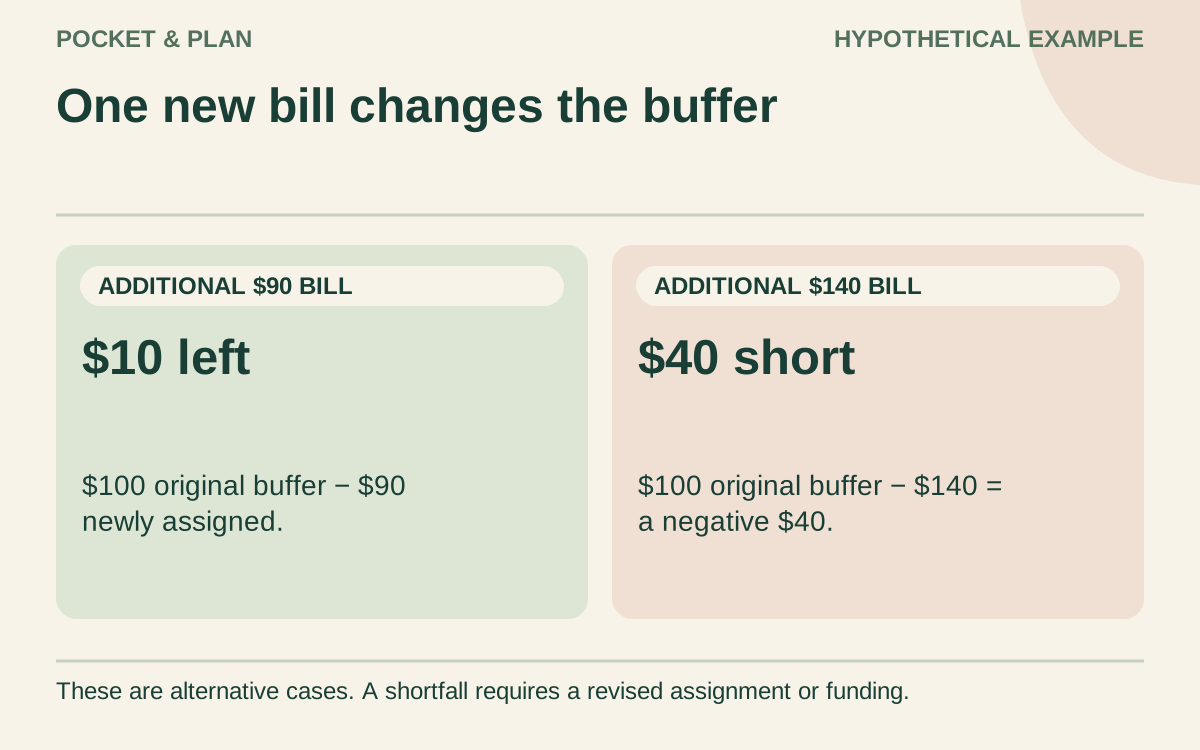
Now suppose an additional $90 bill appears. Assigning it reduces the buffer to $10. If the bill were $140, the worksheet would be $40 short; Jordan would need to revise an assignment or find another available resource. Writing a negative remainder does not make the shortfall disappear.
Reserve for bills that arrive after payday
A paycheck plan can look balanced while the next one is overloaded. Before finalizing it, glance at the following month. If rent is due immediately after the next payday, decide whether this paycheck needs to fund part of it now.
Use a separate column for the amount already reserved. When rent is paid, reduce that reserve instead of recording a second new savings contribution. The CFPB toolkit includes cash-flow and bill-calendar tools if you want another way to map timing.
Give an additional-paycheck month a written plan
If your payroll calendar shows an extra paycheck in a particular month, review what it still needs to cover. Food, travel to work, and upcoming commitments continue between paydays. Only the amount left after those assignments is available for another goal.
Choose that goal deliberately: catching up a planned expense, building a buffer, or another household priority. Do not spend against a paycheck that has not arrived.
Repeat a ten-minute payday check
On payday, confirm the deposit, reconcile the previous plan, and review the next set of bills. Carry forward actual reserved balances, then adjust estimates that were consistently too low. Keep a brief note explaining each change so next month’s decisions have context.
Use the budget planner for your monthly totals and the bill payment tracker guide for due dates. Together they make both the amount and the timing of your plan visible.
Sources & verification
These primary reference sources support the guide. Worked examples are our own illustrations, not national averages or reported personal results.
- Consumer.gov — Making a Budget ↗Checked September 10, 2026
- CFPB — Your Money, Your Goals toolkit ↗Checked September 10, 2026
Published · Last substantive update .
Found a factual error or a calculation that needs checking? Suggest a correction by email with this guide's link. The link opens a draft in your email app; you send it yourself. Contact details · Corrections policy