The short answer
Assign available spending money to named envelopes, track each purchase, and make any category changes visible before the next payday.
General educational guide. Sources checked September 10, 2026. Examples are illustrative; amounts should be adjusted to your household. Read our disclosure.
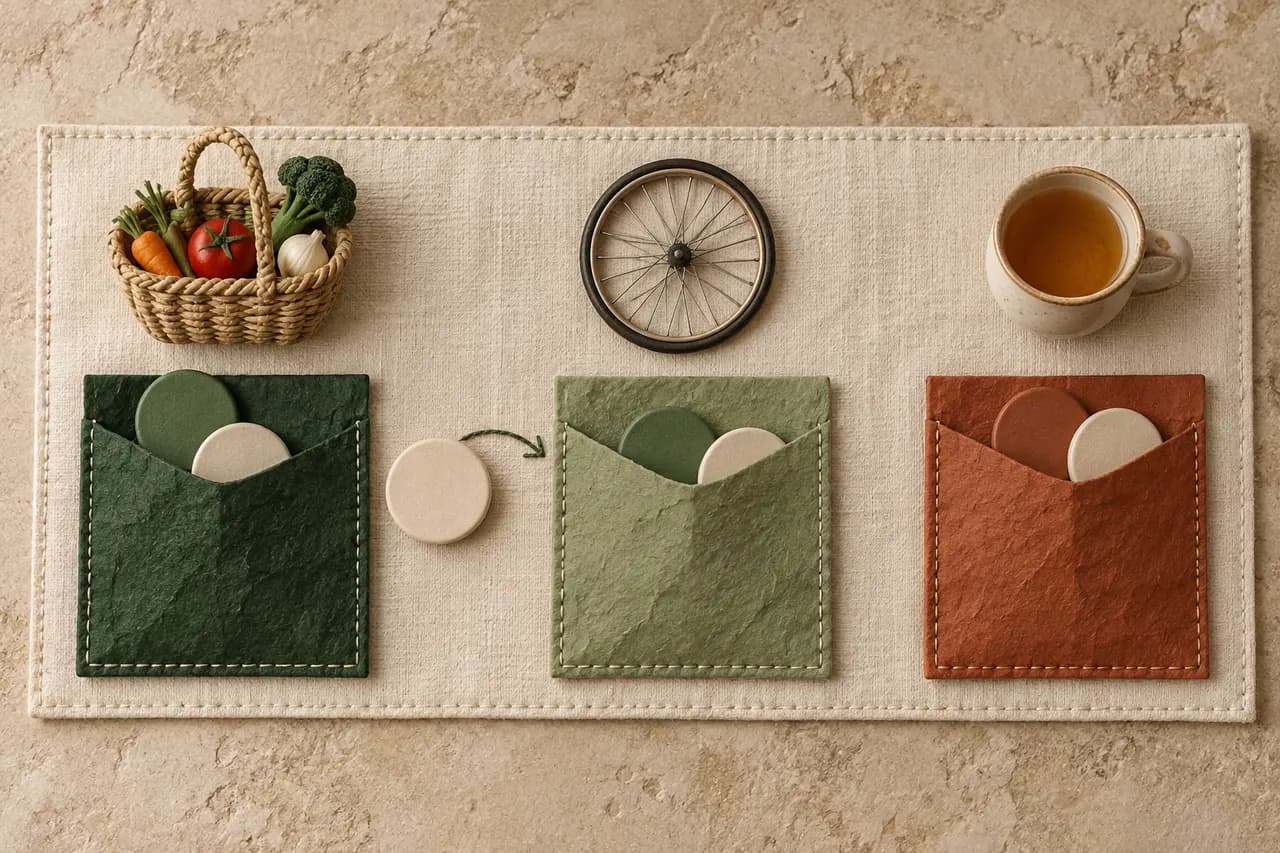
Cash envelope budgeting assigns available money to named spending categories. Put the amount for each category in a physical envelope, or record it as a digital envelope while the money stays in an account. Subtract purchases from the matching category so you can see what remains before spending again.
The method is a way to organize a budget. It does not increase income or guarantee lower spending, and it can start with only two or three categories.
Use the printable cash envelope tracker to keep category balances beside a transaction record. A transfer needs matching entries for the receiving and releasing envelopes; it is not additional household money. This is a manual worksheet for handwriting, with no automatic calculations. Print on US Letter paper in the orientation shown on the file.
Choose the expenses you want to see clearly
Start with categories that change from week to week, such as groceries, transportation, or optional outings. Give each one a plain label and decide what belongs inside it. For example, specify whether your grocery envelope includes cleaning products or whether those have a separate category.
A guest in the CFPB’s Managing Your Money podcast describes labeled cash envelopes as one budgeting approach and discusses digital tools as alternatives. The guest’s views are not a requirement to use cash or an endorsement of a particular product.
Reserve essential commitments before filling envelopes
Begin with money actually available for the period. Account for rent, utilities, other bills, and necessary living costs before assigning money to optional categories. Leave funds needed for scheduled electronic payments in the appropriate account.
Use the bill payment tracker to see what must be covered before your next payday. An envelope marked “fun” is not permission to ignore a bill missing from the plan. If essential costs exceed the available money, that shortfall needs attention before funding optional spending.
For help choosing the overall allocation, compare zero-based budgeting with 50/30/20 before turning the amounts into envelope balances.
Try a simple hypothetical allocation
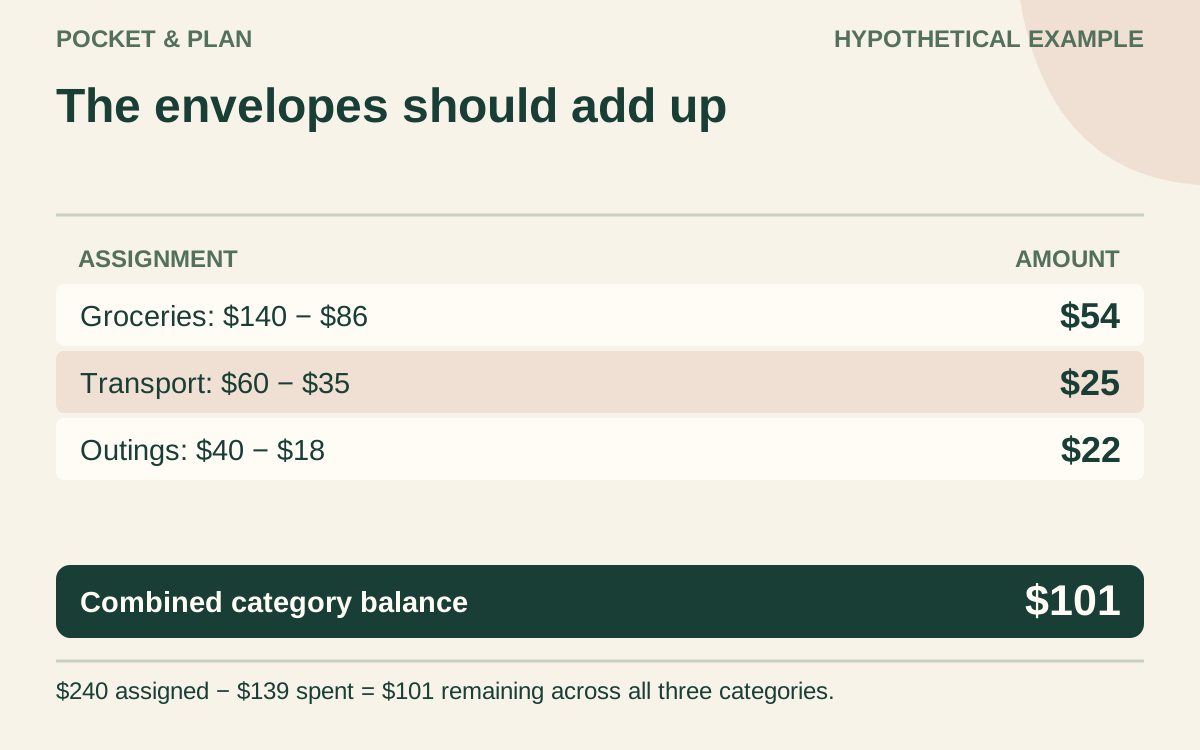
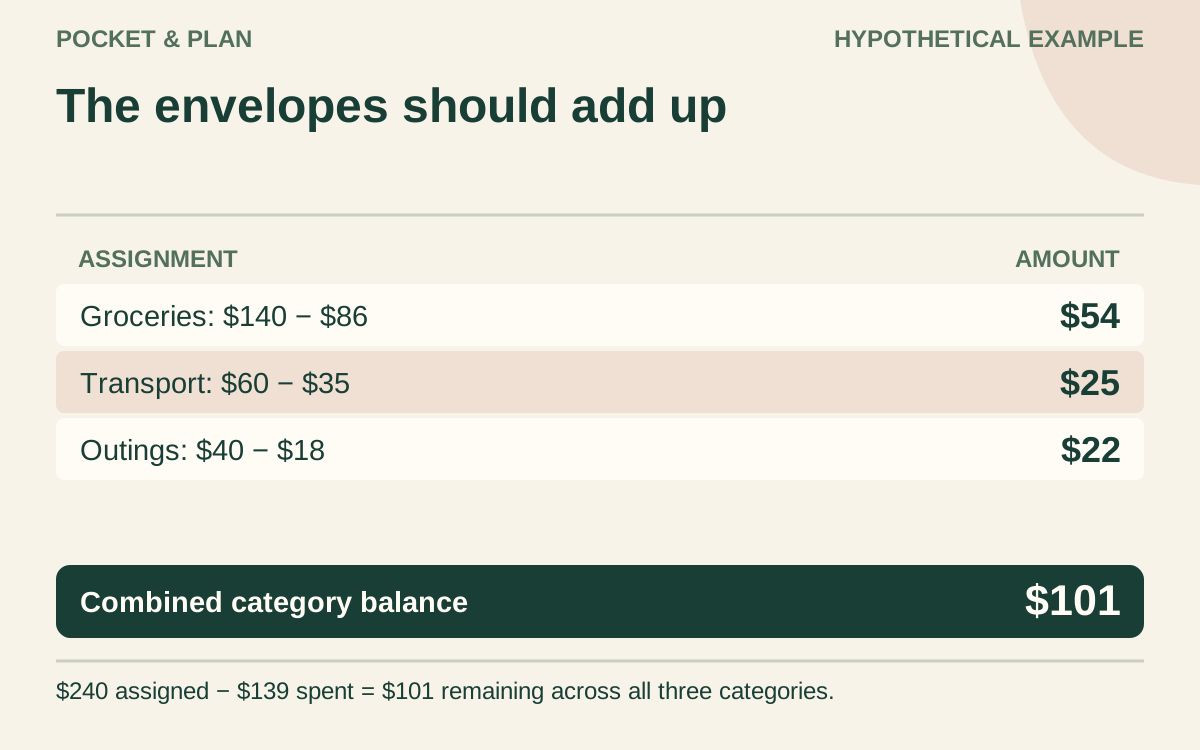
Imagine Taylor has $240 available for selected spending categories after other commitments have been accounted for. This invented example covers one week:
| Envelope | Starting amount | Recorded spending | Remaining |
|---|---|---|---|
| Groceries | $140 | $86 | $54 |
| Transportation | $60 | $35 | $25 |
| Optional outings | $40 | $18 | $22 |
| Total | $240 | $139 | $101 |
The remaining balance is $101 because $240 minus $139 equals $101. Adding the category balances gives the same result: $54 + $25 + $22.
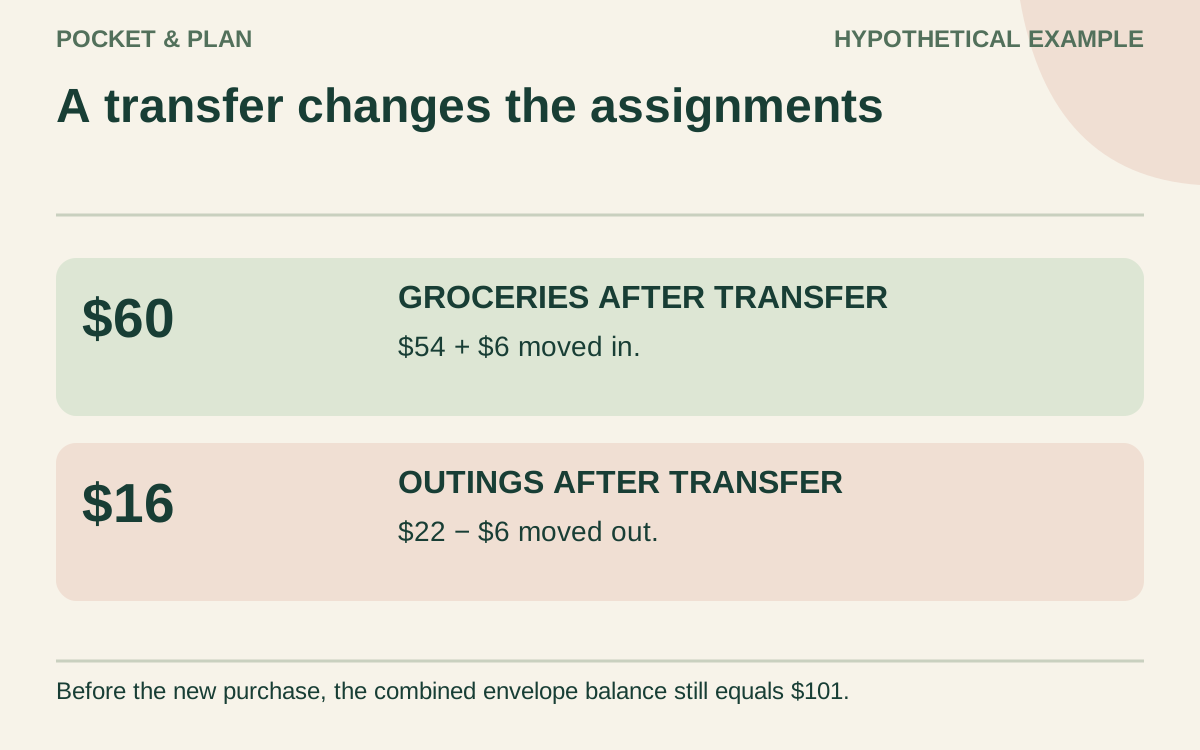
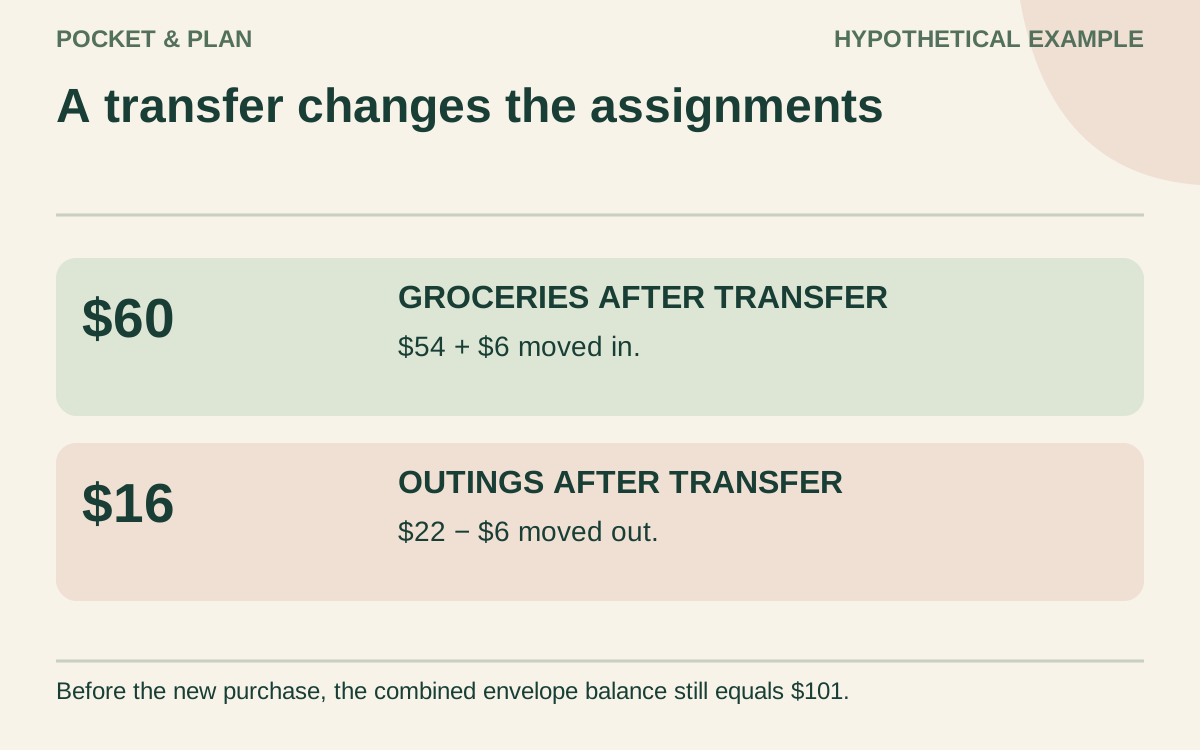
Suppose Taylor needs another $60 grocery purchase. That is $6 more than the grocery envelope contains. Taylor could revise the basket or deliberately move $6 from optional outings, leaving groceries at $60 and outings at $16 before the purchase. Recording the transfer keeps the total unchanged.
The numbers demonstrate the bookkeeping only. They are not recommended grocery or transportation amounts for your household.
Use physical cash only where it is practical
If you use paper envelopes, count the money when you fill them and keep a short transaction record. Carry the amount needed for the planned outing rather than the entire collection. Keep cash somewhere appropriate for your situation.
The CFPB’s emergency-fund guide notes that cash can be lost, stolen, or destroyed. That is a practical reason to consider how much you keep on hand. Some purchases also require another payment method, so a mixed system may fit your routine better.
Make digital envelopes follow the same rules
A spreadsheet can list category balances while the money remains in your account. After a debit-card purchase, reduce the relevant envelope even though no paper money moved. Keep track of pending purchases so the visible account balance does not make already-committed money look available again.
For example, a $25 grocery transaction reduces the grocery category by $25. It is not a second expense when the transaction finishes processing. Reconcile the category records with actual account activity and ensure that assigned balances do not exceed available funds.
Review and refill at a natural stopping point
Choose a weekly or payday review. Count or reconcile the remaining amounts, record transfers, and decide what happens to leftovers. You might carry grocery money forward or redirect genuinely unneeded money toward a goal.
If the same essential envelope repeatedly runs out early, revisit the estimate rather than treating the empty envelope as an instruction to go without necessities. Connect the next refill to your biweekly budget, and keep the grocery plan realistic for the meals and supplies you actually need.
Sources & verification
These primary reference sources support the guide. Worked examples are our own illustrations, not national averages or reported personal results.
- CFPB — Managing Your Money, Part 2 ↗Checked September 10, 2026
- CFPB — An essential guide to building an emergency fund ↗Checked September 10, 2026
Published · Last substantive update .
Found a factual error or a calculation that needs checking? Suggest a correction by email with this guide's link. The link opens a draft in your email app; you send it yourself. Contact details · Corrections policy