The short answer
Use a temporary pause on selected optional purchases to understand habits and redirect actual available money toward a chosen goal.
General educational guide. Sources checked September 10, 2026. Examples are illustrative; amounts should be adjusted to your household. Read our disclosure.
A no-spend month is a temporary pause on selected optional purchases. Define those purchases before you start, keep essential needs and commitments funded, and decide how you will measure the result. The purpose is to learn about your choices and redirect available money, not to reach a perfect streak.
The method below is an educational experiment you can adapt. It does not promise a particular savings amount, and a shorter trial can be more manageable than a whole month.
Download the no-spend planner PDF for written rules, a daily record, and a closing comparison. Keep essential purchases and agreed exceptions visible; an unmarked day is not proof of spending or saving. This is a manual worksheet for handwriting, with no automatic calculations. Print on US Letter paper in the orientation shown on the file.
Choose one reason for the experiment
Write a sentence that names the outcome you want: “I want to understand impulse shopping,” or “We want to redirect available money toward a planned car bill.” A specific reason gives you something to review when the experiment ends.
Avoid making the goal depend entirely on a guessed dollar figure. You may discover that the categories you paused are smaller than expected, or that some purchases were simply delayed. Both findings are useful.
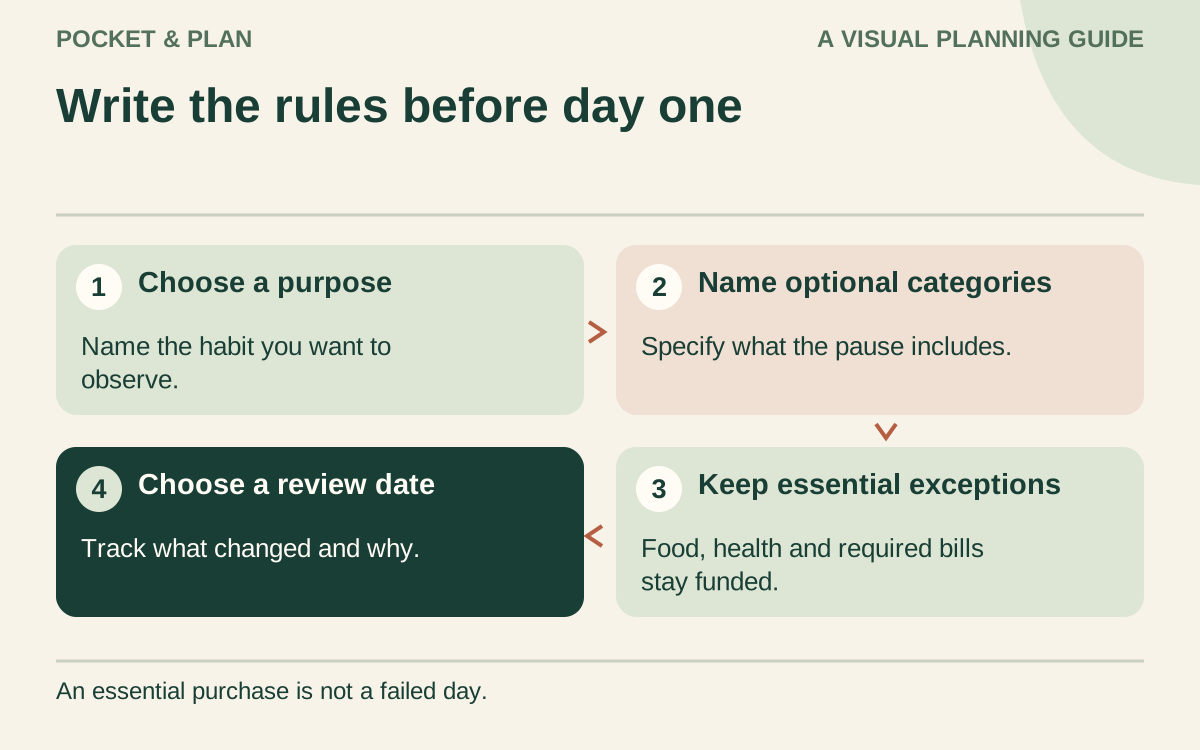
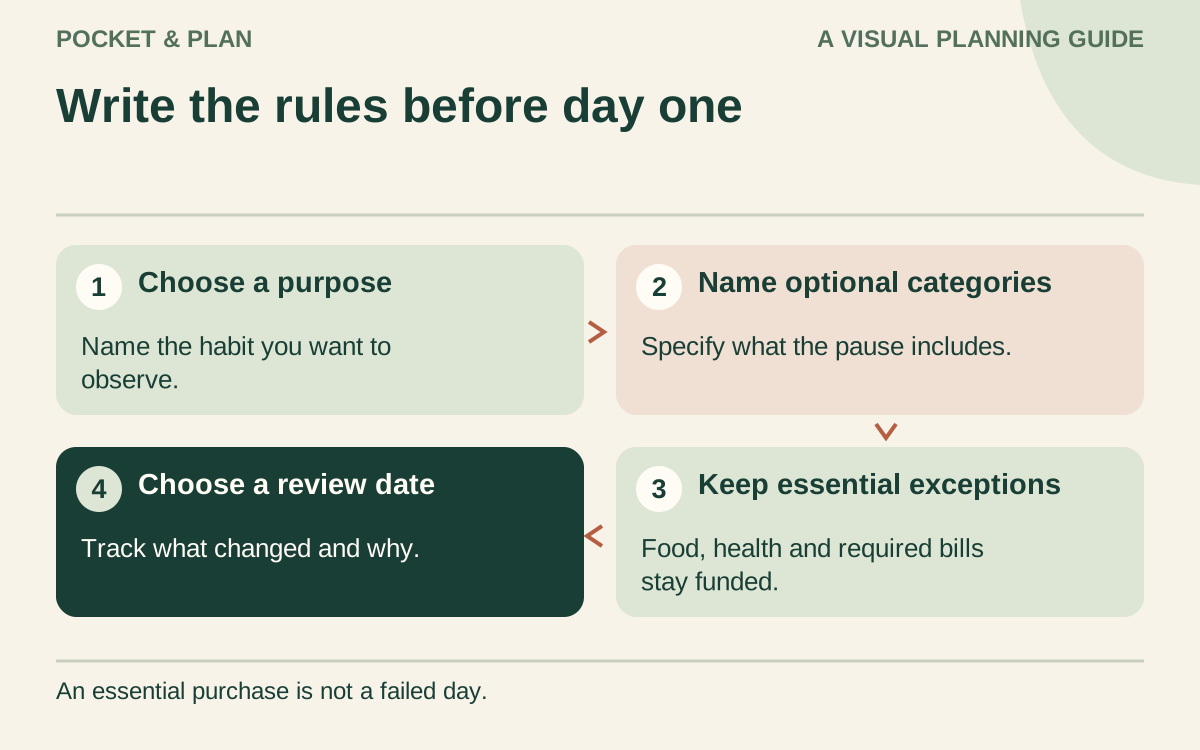
Write the rules before the first day
Choose two or three optional categories to pause, such as decorative purchases, recreational app purchases, or unplanned takeout. Define the boundary in ordinary language so you can tell whether a purchase fits it.
Then list what continues: housing, bills, enough food, healthcare needs, necessary transportation, and other essential obligations. Note known exceptions, including a replacement you already need or a commitment you intend to honor. Do not postpone necessary care, food, or a bill to preserve a streak.
A household rule might read: “For four weeks, we will pause unplanned home decor and entertainment purchases. Our usual essentials remain in the budget. A needed replacement will be discussed and recorded.”
Set a baseline from actual spending
Look at recent transactions in the categories you chose. The CFPB’s spending assessment distinguishes current spending from the amount you wish you were spending. Keep that same distinction in your experiment.
Here is a hypothetical comparison, using invented amounts for three selected categories:
| Category | Prior comparison month | Trial month |
|---|---|---|
| Unplanned takeout | $120 | $35 |
| Home decor | $60 | $0 |
| Entertainment purchases | $40 | $15 |
| Total | $220 | $50 |
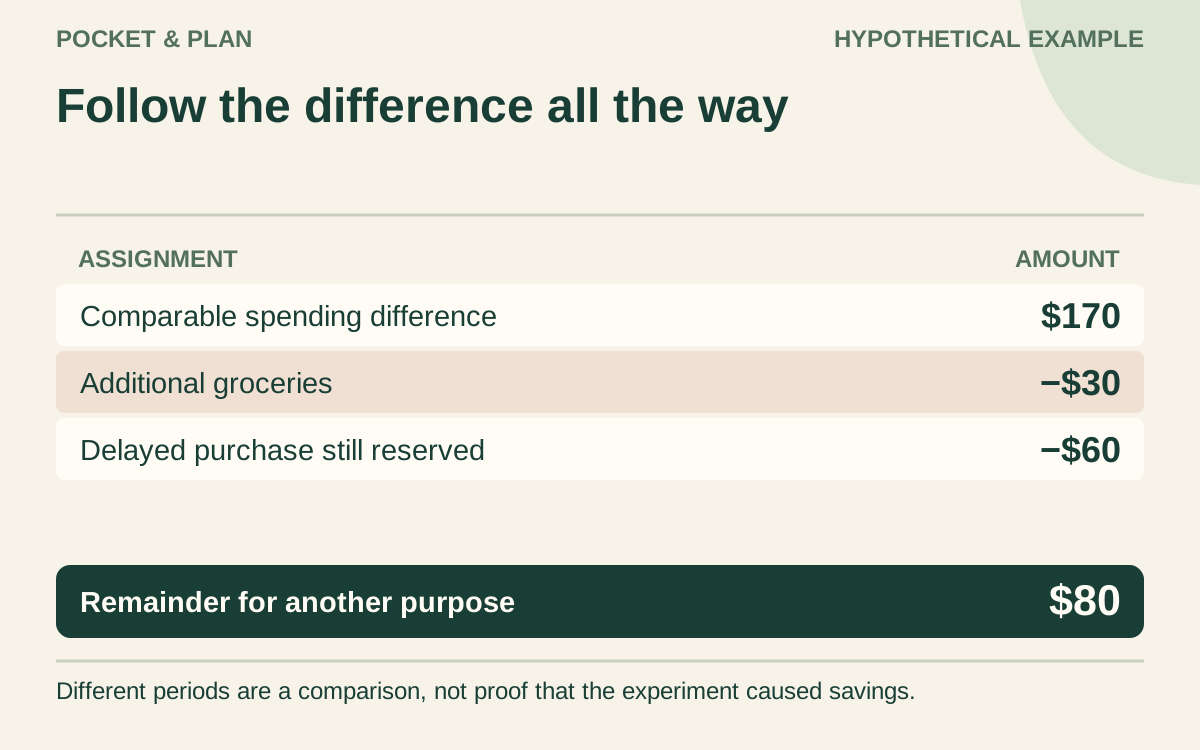
The category difference is $170. Suppose groceries increased by $30 because more meals were eaten at home. The apparent household spending reduction is then $140, before checking for other changes. This is a comparison of two periods, not proof that the challenge caused every difference.
Keep a waiting list and a short note
When you want something in a paused category, write the item, estimated cost, and reason. Do not treat this list as a shopping order for the first day of next month. At the end, review which items still solve a real need.
Beside each entry, add a brief note about context: boredom, convenience, an occasion, or a replacement need. Those notes help you choose a lasting adjustment. For example, repeated takeout requests on late work nights may point to a scheduling problem your next grocery plan can address.
If cooking from what you already have is part of that adjustment, try a three-dinner pantry challenge with a top-up list that keeps necessary food purchases in the plan.
Count the money you actually keep
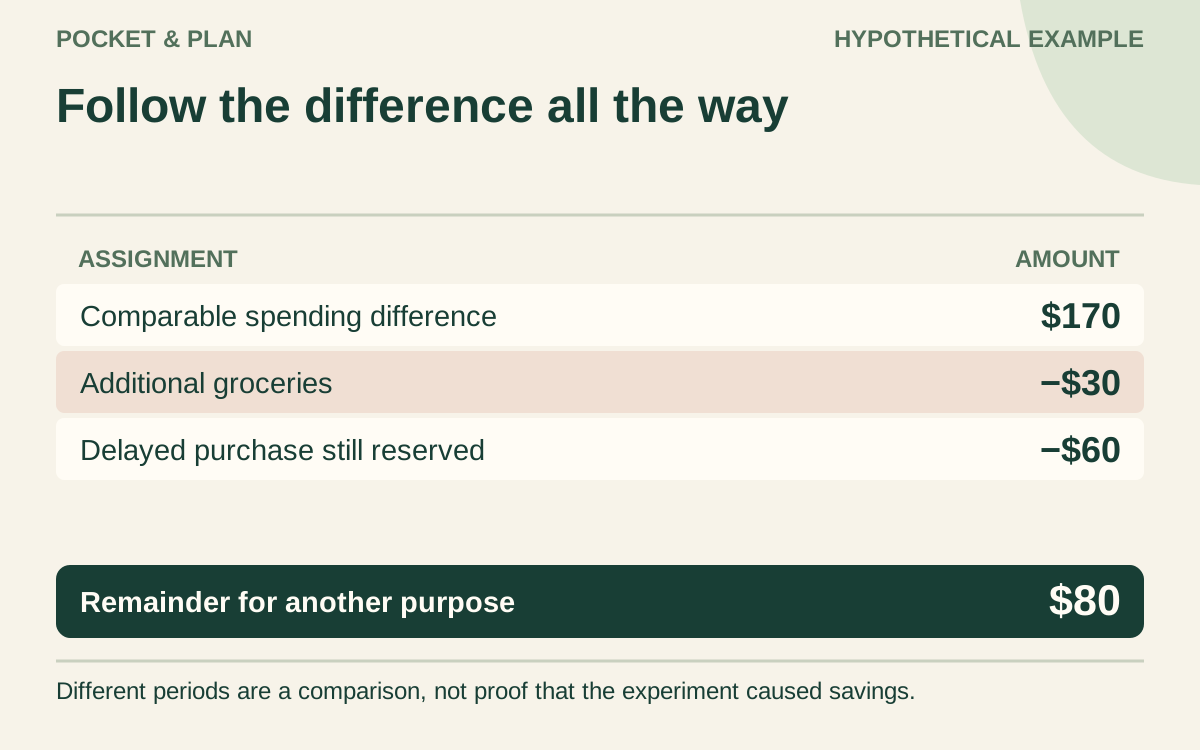
Before transferring money to a goal, reconcile the month’s essentials and upcoming bills. A purchase pushed into next month is a delayed expense; it should not automatically become “money saved.” Similarly, a larger purchase made just before the challenge can distort the comparison.
If the hypothetical household above postpones a $60 purchase it still plans to make, it could reserve that $60 separately. Of the $140 apparent reduction, only $80 remains available for another purpose under those assumptions.
Name that purpose in your sinking-fund plan. The CFPB’s savings-goal article offers a general framework for setting a goal and comparing a plan with actual results; it does not specifically endorse no-spend challenges.
Finish by keeping one useful change
Review the numbers, the waiting list, and the parts that felt impractical. Choose one adjustment for next month: a planned entertainment allowance, a shared waiting list, or a clearer grocery budget.
An exception is information you can use. The useful outcome is a household plan that fits better after the experiment than it did before it began.
Sources & verification
These primary reference sources support the guide. Worked examples are our own illustrations, not national averages or reported personal results.
- CFPB — Assess your spending ↗Checked September 10, 2026
- CFPB — Set a goal, make a plan, and save automatically ↗Checked September 10, 2026
Published · Last substantive update .
Found a factual error or a calculation that needs checking? Suggest a correction by email with this guide's link. The link opens a draft in your email app; you send it yourself. Contact details · Corrections policy